
Teaching at the Beginning
Returning to teach very young dancers has been both refreshing and humbling. This reflection explores the unique responsibility of guiding the earliest stages of ballet training and the clarity, patience, and intentionality it requires. What is built at the beginning is what the dancer carries forward.
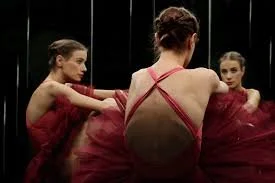
When the Mirror Becomes the Measure
In a studio filled with mirrors, it is easy for reflection to become definition. This piece considers how dancers can become caught in what they see, rather than what they are learning to understand and embody. It gently redirects the focus from image to truth, reminding us that worth is not measured by what is visible.
Progression, Prerequisites, and the Logic of Learning
Every movement in ballet depends on foundations that come before it. When steps are introduced without the necessary prerequisites, dancers may imitate the shape of the movement without understanding the coordination that supports it. Thoughtful progression allows technique to unfold as a connected and logical process.

What We Don’t Always See
Have you ever had a dancer who feels difficult to reach—quiet, reserved, offering little outward response?
In those moments, it’s easy to assume disengagement, but the truth is, we don’t always know what is happening beneath the surface.
Teaching sometimes asks us to stay steady without feedback, trusting that not all growth is immediately visible.
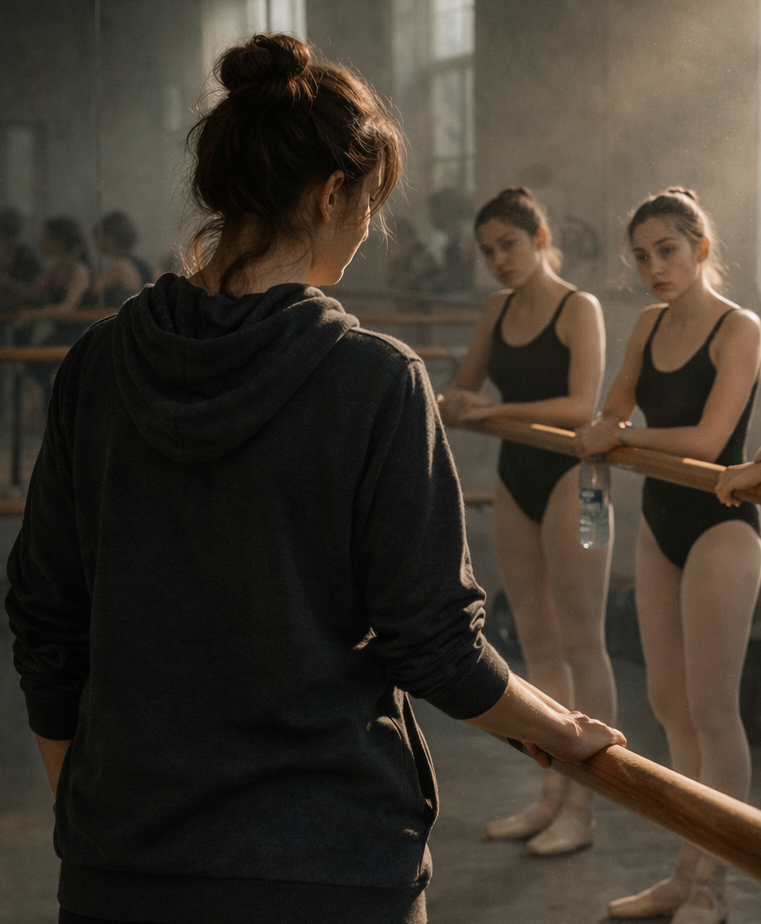
When the Studio Feels Heavy
Some days in the studio feel light and energized; others require every ounce of effort just to keep things moving. In this reflection, I share an honest look at what it’s like to teach when the energy is flat—and the quiet lessons found in simply carrying on.
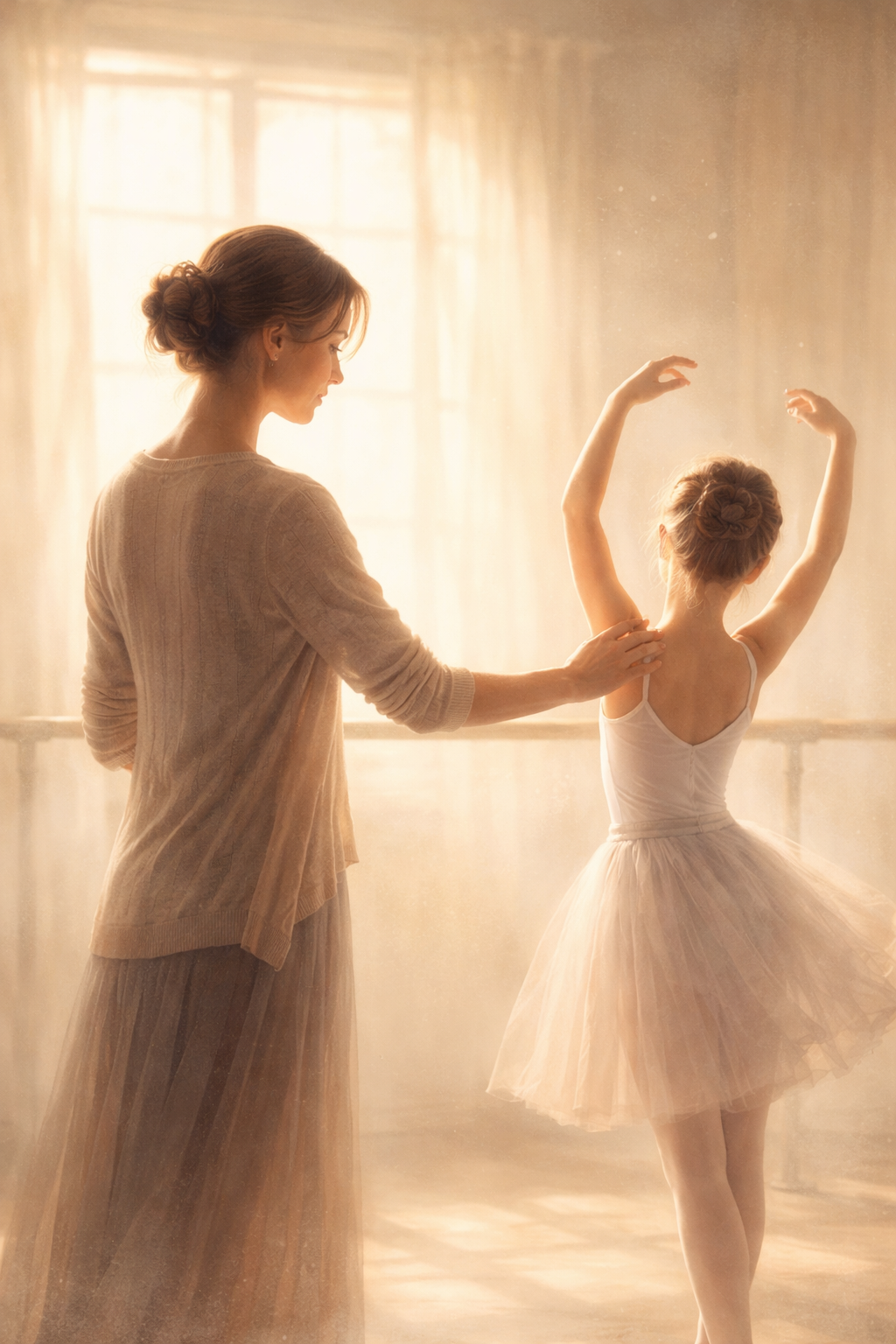
Faithful Presence Is a Quiet Ministry
As dance teachers, our influence extends far beyond technique. Through humility, integrity, and everyday acts of care, we quietly shape not just dancers, but whole lives—planting seeds that endure beyond the stage. Faithful presence is a quiet ministry that matters deeply.