
What We Don’t Always See
Have you ever had a dancer who feels difficult to reach?
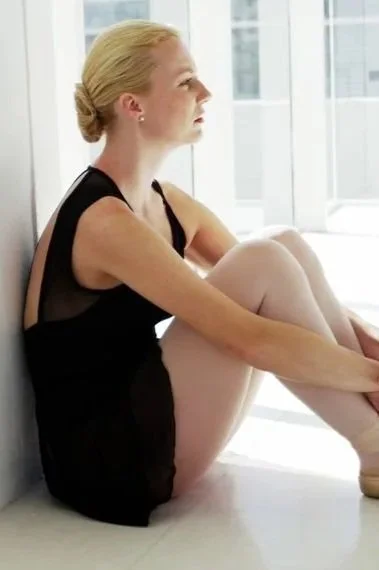
Quiet. Reserved. Offering very little outward response.
Eye contact is limited. Verbal engagement is minimal.
At times, their presence alone can shift the atmosphere in the room.
Not disruptive.
Not openly resistant.
But often closed—almost expressionless.
And in those moments, it can feel like nothing is landing.
Like the work is not being received.
If we are honest, that can feel heavy.
It is easy, in those spaces, to interpret what we see as disengagement.
To assume a lack of care.
To take it personally, or to question whether our guidance is being received at all.
But the truth is, we do not fully know what is happening beneath the surface.
And that matters.
Because as teachers, our responsibility is not only to respond to what is visible, but to remain aware that not everything will be.
There are days that require this kind of awareness—
days when we must continue teaching without clear feedback,
offering direction and encouragement without confirmation,
remaining steady even when we are unsure how it is being received.
This is not easy work.
In many ways, it is the heart of what we do.
There will be moments we question how to reach certain dancers,
how to navigate the weight a single presence can bring into a room.
There is not always a clear answer.
But we come back to this:
Not all learning is immediately visible. Some of the most meaningful shifts in a dancer’s development happen quietly, beneath the surface, over time.
As teachers, we are often called to continue offering clarity, direction, and care—even when we are unsure how it is being received. This kind of steadiness is not easy, but it is essential.
If you have remained present in those moments, continuing to guide with intention and patience, then the work is still unfolding—whether you can see it yet or not.
Supporting this kind of teaching—where not all learning is immediately visible—often requires patience, discernment, and a broader understanding of development.