
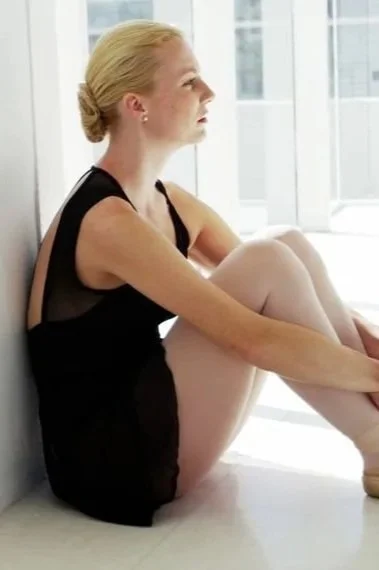
What We Don’t Always See
Have you ever had a dancer who feels difficult to reach—quiet, reserved, offering little outward response?
In those moments, it’s easy to assume disengagement, but the truth is, we don’t always know what is happening beneath the surface.
Teaching sometimes asks us to stay steady without feedback, trusting that not all growth is immediately visible.
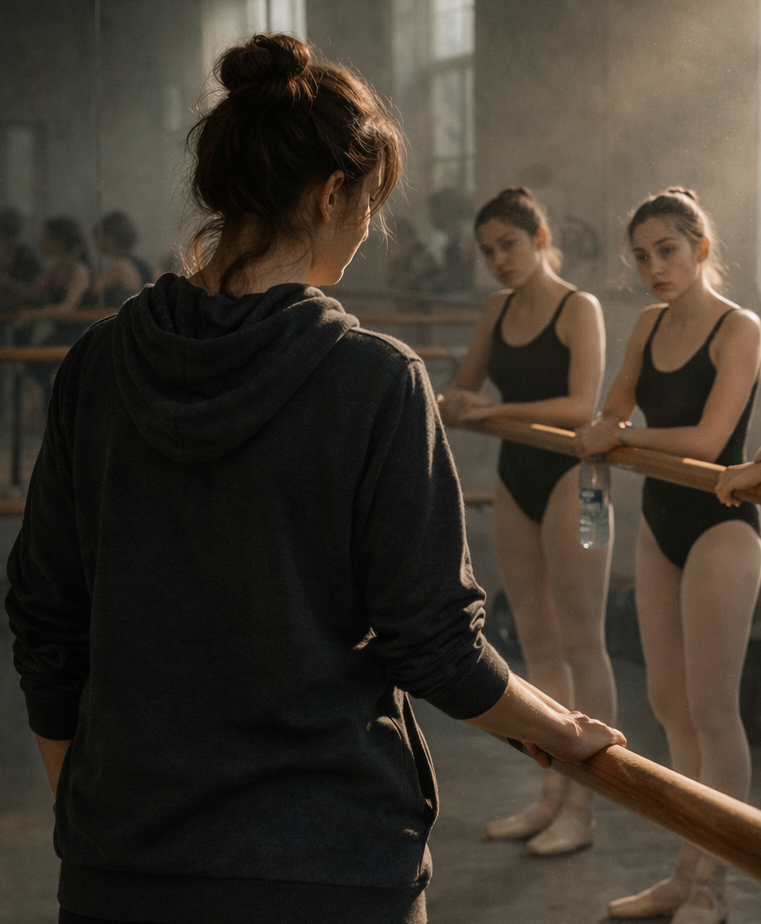
When the Studio Feels Heavy
Some days in the studio feel light and energized; others require every ounce of effort just to keep things moving. In this reflection, I share an honest look at what it’s like to teach when the energy is flat—and the quiet lessons found in simply carrying on.
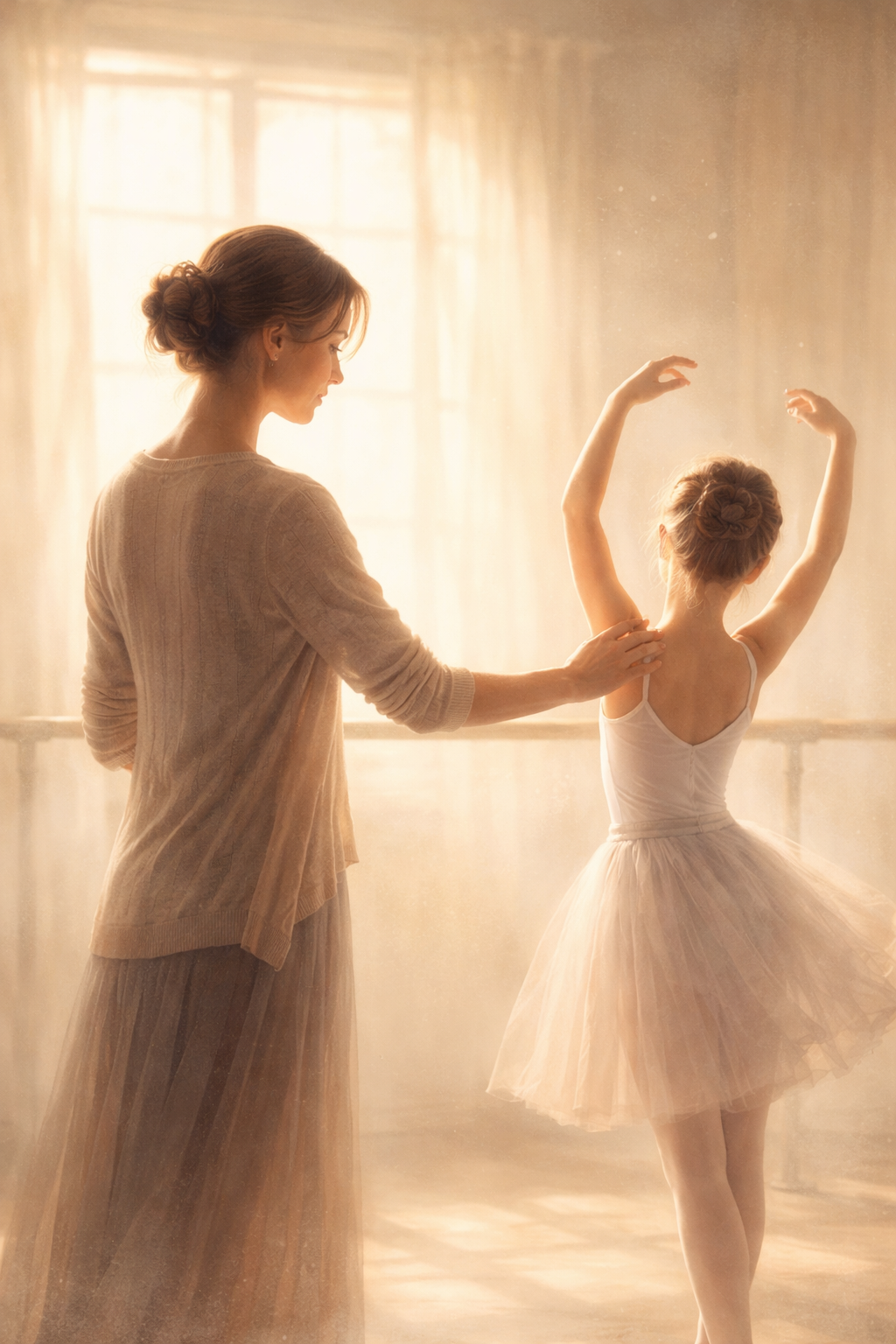
Faithful Presence Is a Quiet Ministry
As dance teachers, our influence extends far beyond technique. Through humility, integrity, and everyday acts of care, we quietly shape not just dancers, but whole lives—planting seeds that endure beyond the stage. Faithful presence is a quiet ministry that matters deeply.
What Has Shaped Me Most as a Teacher
After many years of teaching, I found myself in a position where I had to explain how to teach—and realized I didn’t fully understand my own process. That moment pushed me beyond structure and progression into deeper questions of how and why dancers learn. It became the beginning of learning to teach the dancer, not just the steps.

What Is Felt in the Studio
Teaching communicates more than information.
Students are not only responding to what we say, but to what is present in the room.
It’s not only what we give—it’s what is felt.
Knowing What to Teach Is Only the Beginning
Most ballet teachers begin with a clear sense of what to teach, drawing from years of training and experience in the studio. But pedagogy requires more than remembering exercises—it requires recognizing when dancers are ready to engage with a new idea. The timing of learning shapes whether technique becomes imitation or true understanding.