

What Is Felt in the Studio
Teaching communicates more than information.
Students are not only responding to what we say, but to what is present in the room.
It’s not only what we give—it’s what is felt.
Knowing What to Teach Is Only the Beginning
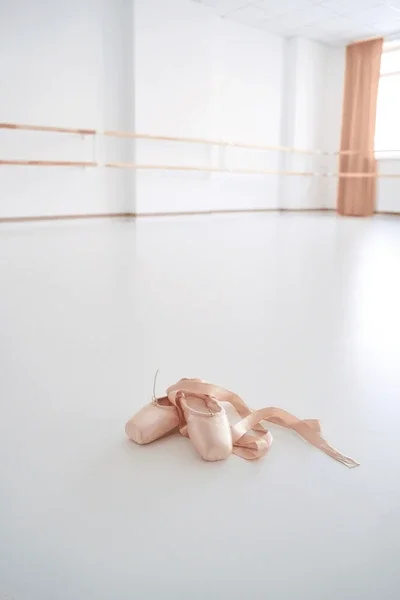
Most ballet teachers begin with a clear sense of what to teach, drawing from years of training and experience in the studio. But pedagogy requires more than remembering exercises—it requires recognizing when dancers are ready to engage with a new idea. The timing of learning shapes whether technique becomes imitation or true understanding.
Cultivating Understanding in the Ballet Studio
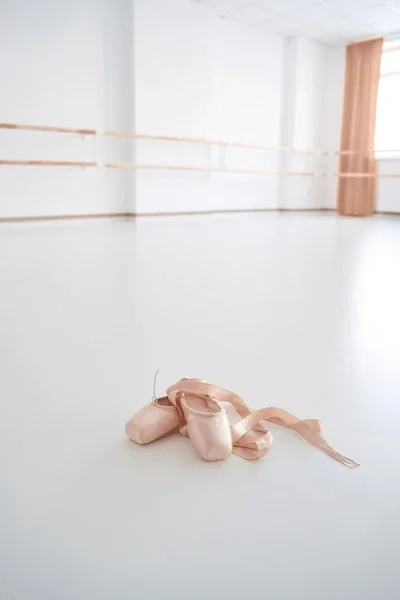
Kicking off a series on cultivating understanding in the ballet studio. This post explores how clear, intentional teaching supports dancers’ growth and teachers’ effectiveness.
Corrections That Build Awareness
Good corrections do more than fix the outward shape of movement. They help dancers understand how their bodies organize balance, support, and coordination. When dancers learn to sense movement rather than simply imitate it, technique becomes both stronger and more sustainable.

Part 2: The Words Teachers Use Stay in the Body
The language teachers use in the studio carries lasting influence. A single word can encourage curiosity and growth—or create hesitation that lingers for years. Thoughtful teaching begins with recognizing how deeply dancers internalize what they hear.

Art as Offering, Not Identity
Dance can easily become a place where identity and worth are measured through roles, recognition, and achievement. Yet Scripture offers a different vision—one where artistic gifts are received from God and returned as offerings rather than used to define who we are.