
Beyond Technique: How Studio Culture Shapes the Dancer
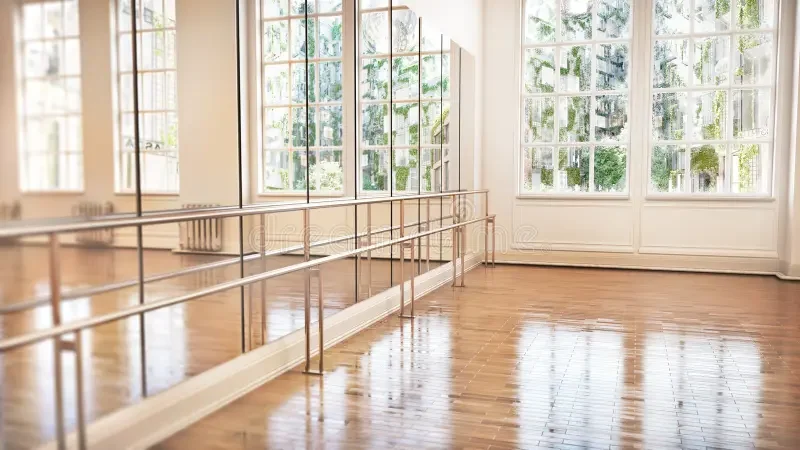
For much of my childhood and adolescence, the ballet studio was the center of my world. I spent countless hours stretching, conditioning, refining exercises, and learning how to transform technique into art. As a young dancer pursuing professional training, the studio was not simply a place I visited—it was where I invested my focus, effort, and ambition.
This level of immersion shaped more than my technique. It influenced my identity, discipline, and sense of belonging. Understanding the studio as a formation space invites teachers to recognize how powerfully this environment shapes the dancers within it.
The studio forms more than bodies; it forms habits, values, identity, and a dancer’s relationship to work.
In rigorous training environments, identity often becomes closely intertwined with the studio. Spending hours each day working toward improvement—surrounded by mirrors, corrections, and shared goals—can strongly influence how a dancer understands themselves.
While this connection can be deeply motivating, it also requires thoughtful guidance. Teachers play an important role in helping students develop a sense of self that includes, but is not limited to, their identity as dancers.
Discipline in the studio is often misunderstood as rigidity or external control. In reality, discipline develops gradually through consistency, repetition, and the daily decision to return to the work.
When dancers learn to internalize discipline as a tool for growth rather than a measure of worth, it becomes sustainable and empowering.
Studio culture shapes how dancers experience training long before outcomes are visible. It influences how effort is understood, how challenges are met, and how relationships form within the space.
While strong technique is essential, the environment in which that technique is pursued determines whether learning is marked by trust, clarity, and growth—or by pressure and fear.
Excellence in ballet is not a single achievement but a way of working over time.
Excellence in ballet is often misunderstood as an endpoint reached through advancement or recognition. In reality, excellence develops through habits that can be sustained—consistency, patience, adaptability, and care.
When teachers frame excellence as a practice rather than a pressure, dancers learn to pursue high standards without tying their worth to outcomes. Technique, confidence, and artistry are able to develop together.
Even for dancers who do not pursue professional careers, this understanding shapes how they approach challenge and growth beyond the studio.
Technique does not develop in isolation. It is shaped by the environment in which dancers train, the expectations they internalize, and the values that are reinforced over time.
Studio culture plays a central role in how dancers grow, both technically and personally.
When teachers approach the studio intentionally as a formation space, they shape more than dancers’ technique. They influence how dancers understand effort, belonging, discipline, and excellence—both inside and beyond the studio.